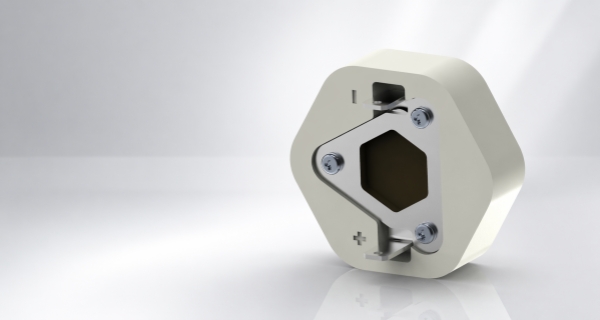

What are membrane electrodes?
What is membrane electrodes?
Membrane electrodes (or Ion-Selective Electrodes, ISEs) are electrochemical sensors that use a thin membrane (glass, solid-state, or liquid) to selectively measure the concentration of specific ions, gases, or biomolecules in a solution. They operate by creating a potential difference across the membrane, which is proportional to the analyte concentration.
Features of membrane electrodes
Membrane electrodes (Ion-Selective Electrodes - ISEs) are analytical tools that measure specific ion concentrations in solutions by creating a, typically Nernstian, electrical potential difference across a selective, ion-permeable barrier. Key features include high selectivity via ionophores or crystalline materials, rapid, stable responses with minimal sample interference, and, in some cases, high chemical durability.
Key Features and Characteristics:
Selective Ion Interaction: The core function is selectivity for a specific ion, achieved using specialized ionophores (binding agents), crystalline materials, or polymer membranes (like PVC) that allow specific ions to pass while blocking others.
Potential Generation: A, often Nernstian, potential is developed across the membrane, which is proportional to the difference in concentration/activity of the target ion between the sample and an internal reference solution.
Types of Membrane Materials: Glass Membrane: Primarily used for pH or specific cations like, known for high chemical durability and sensitivity.
Solid-State (Crystalline) Membrane: Uses single-crystal or pressed-powder membranes (e.g., , often offering high selectivity and stability.
Polymer Membrane: Utilizes hydrophobic, polymeric materials (e.g., PVC) with embedded ion exchangers or ionophores for various ions.
Applications of membrane electrodes
Key applications include:
Clinical & Biomedical Analysis: Measuring blood electrolytes in patient samples or in vivo during procedures.
Environmental Monitoring: Real-time monitoring of contaminants, nutrients (ammonium, nitrate), and water quality in environmental water systems.
Industrial Process Control: Used in food and beverage production, pharmaceutical manufacturing, and chemical processing to monitor specific ions.
Energy Generation: Membrane Electrode Assemblies (MEAs) are essential in hydrogen fuel cells and water electrolyzers.
Water Treatment: Electrified membranes are utilized for decontamination, disinfection, and reducing fouling.
What is Membrane Electrode Assembly?
Features of Membrane Electrode Assembly
Applications of Membrane Electrode Assembly
Price of Membrane Electrode Assembly
Membrane Electrode Assembly Manufacturer