
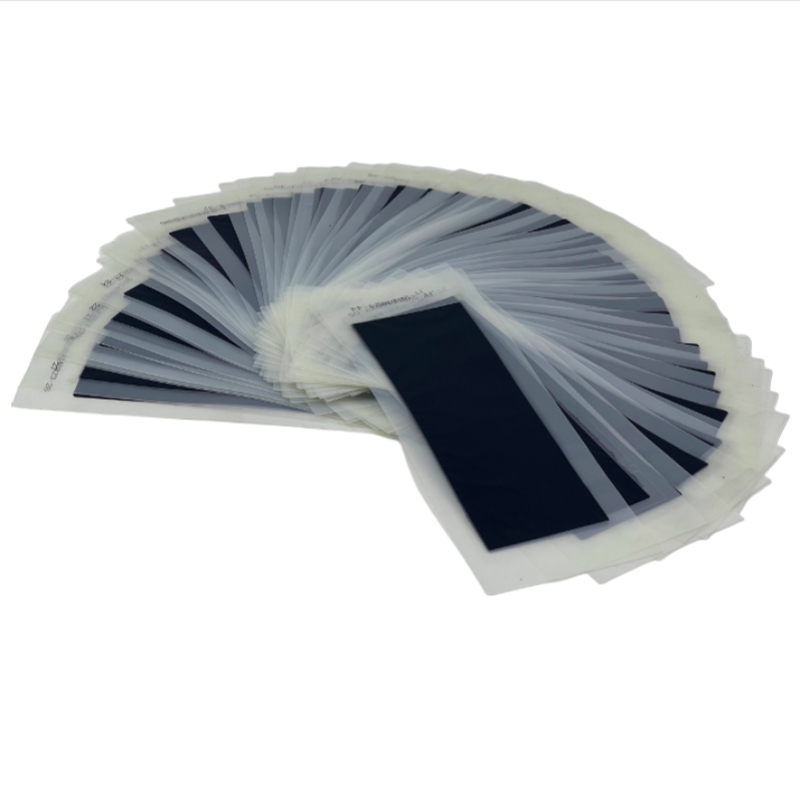
What Is a Membrane Electrode Assembly (MEA)?
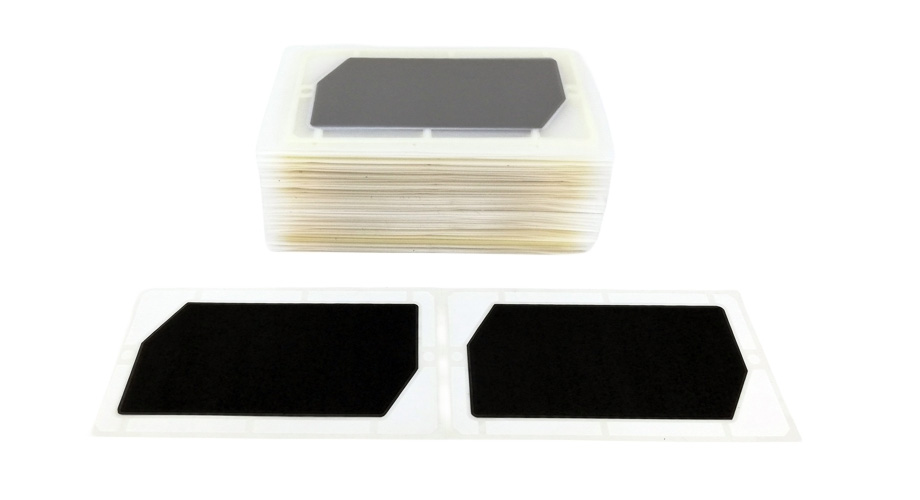
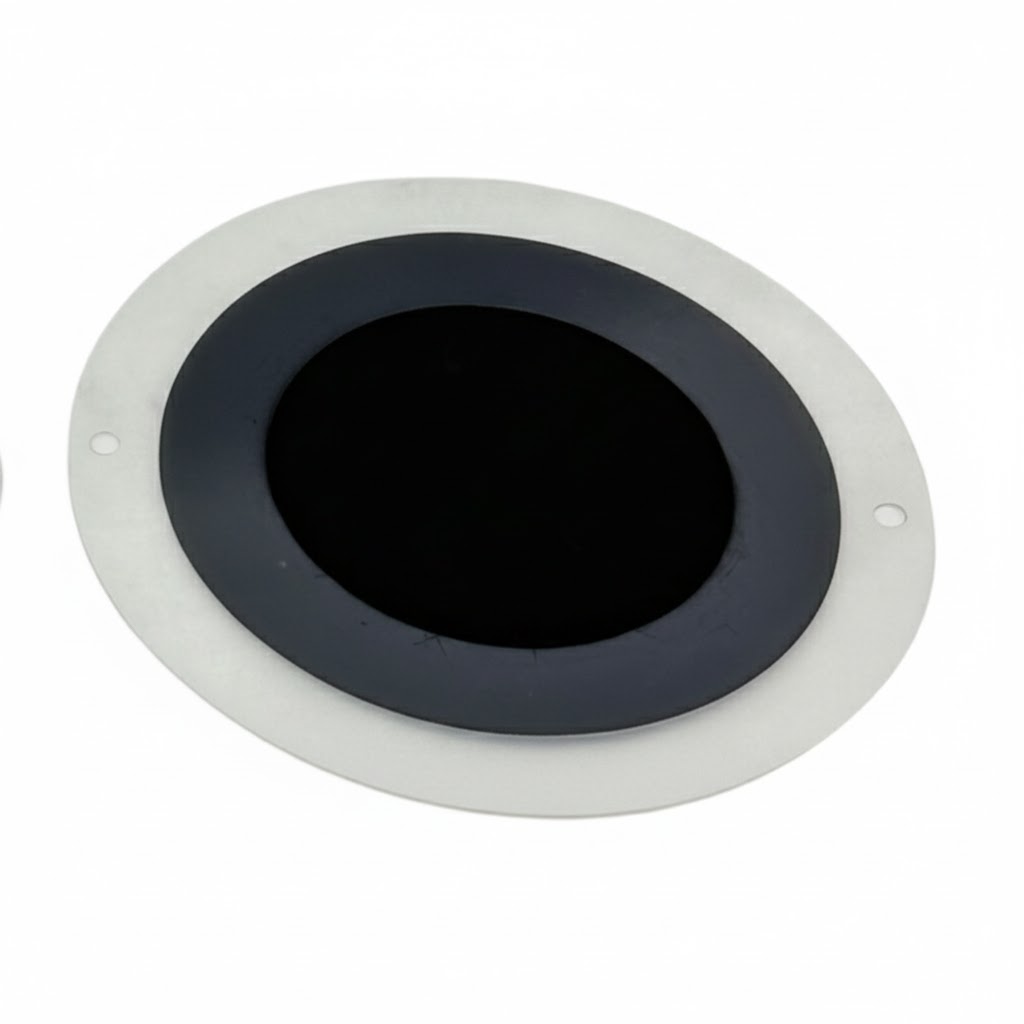
A Membrane Electrode Assembly (MEA) is the core functional component of a hydrogen fuel cell or electrolyzer. It is where the key electrochemical reactions take place to convert chemical energy into electrical energy (or vice versa).
An MEA typically consists of a proton exchange membrane (PEM) sandwiched between an anode catalyst layer and a cathode catalyst layer, often integrated with gas diffusion layers (GDLs). The performance, efficiency, and durability of a fuel cell stack largely depend on the quality and design of its MEA.
Key Features of Membrane Electrode Assemblies
Electrochemical Reaction Core
The MEA is the heart of the fuel cell, enabling proton transport and electron flow through precisely engineered catalyst layers and ion-conducting membranes.
High Energy Conversion Efficiency
Optimized MEA structures minimize internal resistance and maximize reaction kinetics, enabling high power density and efficient hydrogen utilization.
Low Emissions & Clean Operation
When used in hydrogen fuel cells, MEAs support zero-emission power generation, producing only water and heat at the point of use.
Customizable Design
MEA parameters such as membrane type, catalyst loading, active area, and reinforcement structure can be tailored for different applications and operating conditions.
How Does a Membrane Electrode Assembly Work?
Within a fuel cell, the MEA operates through the following steps:
Anode Catalyst Layer
Hydrogen gas is supplied to the anode, where the catalyst facilitates the splitting of hydrogen molecules into protons and electrons.
Proton Exchange Membrane
The membrane selectively allows protons to pass through while blocking electrons, ensuring controlled ion transport.
External Circuit
Electrons travel through an external circuit, generating usable electrical power before reaching the cathode.
Cathode Catalyst Layer
At the cathode, protons, electrons, and oxygen combine to form water, completing the electrochemical reaction.
Applications of Membrane Electrode Assemblies
MEA technology is widely used across hydrogen and electrochemical systems:
Hydrogen Fuel Cells
Passenger vehicles, buses, trucks, and forklifts
UAVs and portable power systems
Backup and stationary power generation
Water Electrolysis Systems
PEM water electrolyzers for green hydrogen production
Renewable energy storage and power-to-gas systems
Research & Demonstration
Universities and laboratories
Stack testing, pilot projects, and technology validation
How to Select a Membrane Electrode Assembly?
Choosing the right MEA depends on the specific system requirements:
Application Type
Fuel cell or electrolyzer, power density targets, and duty cycle requirements.
Membrane Selection
Membrane thickness, reinforcement type, and chemical stability under operating conditions.
Catalyst Configuration
Catalyst type (Pt/C, IrOx, etc.), loading levels, and coating method (single-side or double-side).
Operating Conditions
Temperature, pressure, humidity, and reactant purity.
Durability & Lifetime
Long-term stability, mechanical strength, and resistance to chemical degradation.
Membrane Electrode Assembly Manufacturer
H2Gatch is a professional hydrogen energy manufacturer specializing in Membrane Electrode Assemblies (MEA), hydrogen fuel cell stacks, and related electrochemical components.
With advanced coating processes and flexible customization capabilities, H2Gatch provides MEA solutions tailored for fuel cells, electrolyzers, and research applications.
If you are looking for reliable MEA products or customized solutions, feel free to contact us.