

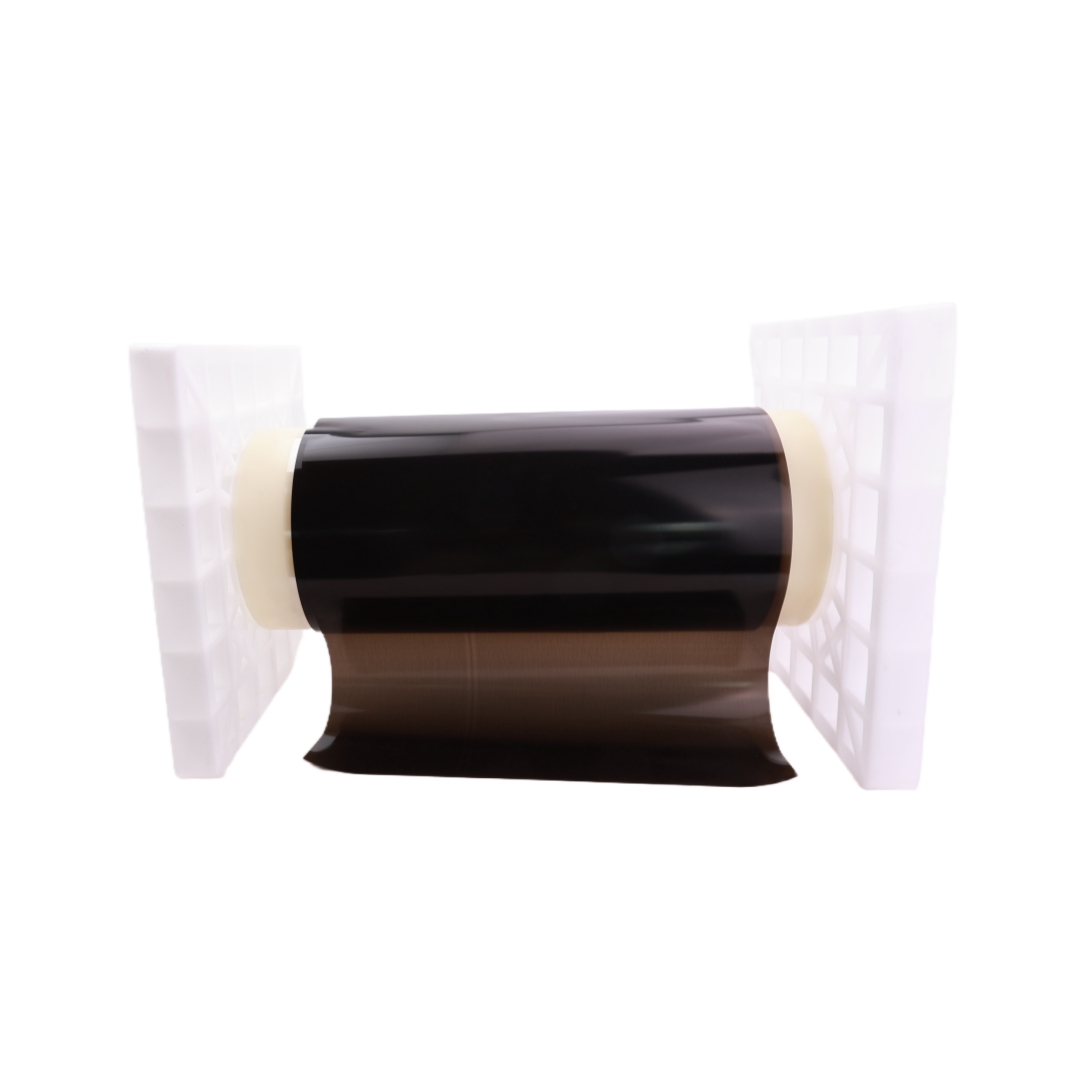
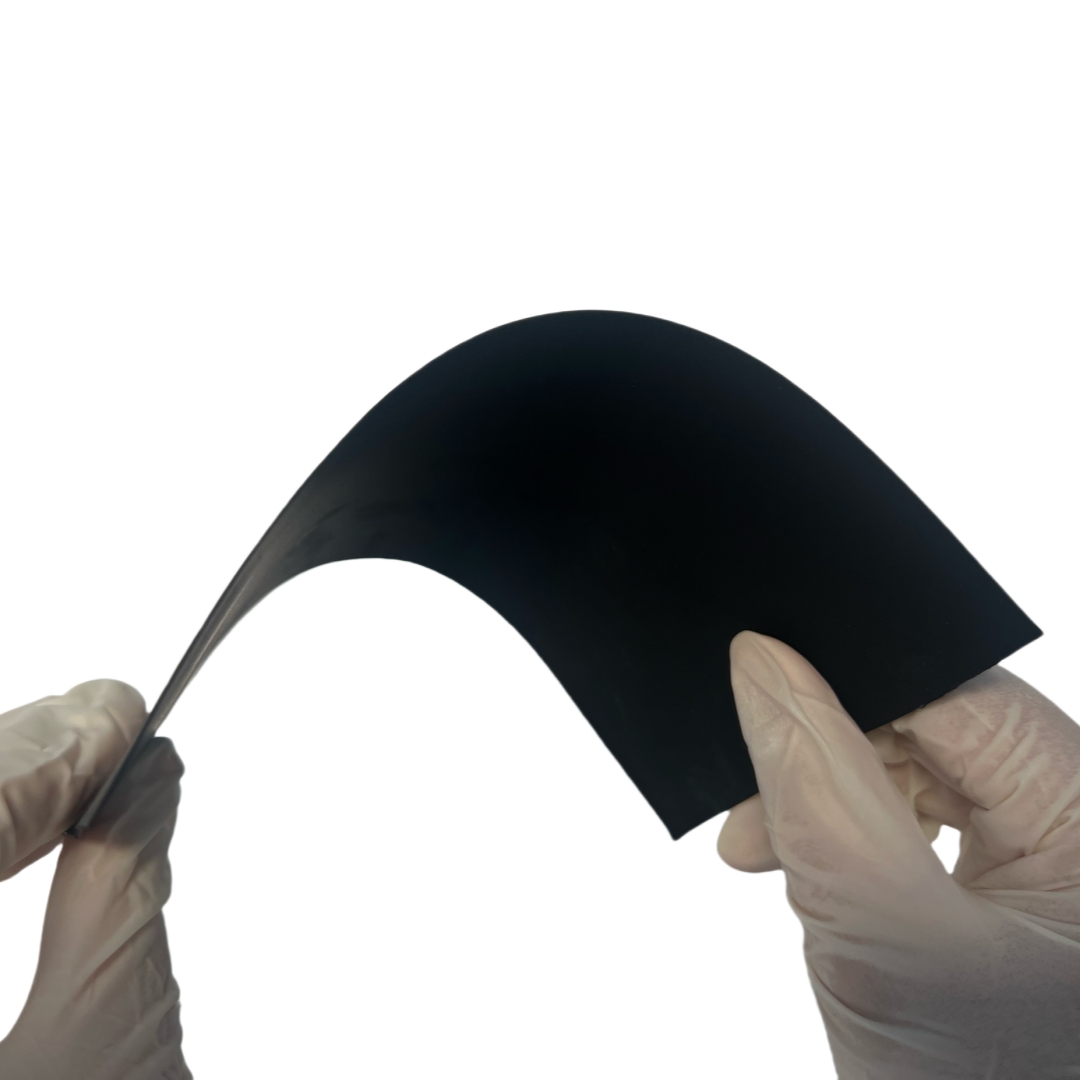



Electrochemical Sensor Membrane Electrode
Electrochemical Sensor Membrane Electrodes are core sensing components designed for gas detection applications, particularly for carbon monoxide (CO) and hydrogen (H₂) sensors. By integrating an ion-conductive membrane with a precisely engineered catalyst layer, the membrane electrode enables fast, stable, and selective electrochemical reactions required for accurate gas sensing.

Electrochemical Sensor Membrane Electrode
Electrochemical sensor membrane electrodes enable accurate gas detection by facilitating controlled electrochemical reactions at the membrane–electrode interface. Designed for CO and H₂ sensing, they provide fast response, high sensitivity, and stable signal output for reliable sensor performance.

Membrane Material
Ion-conductive membrane designed for electrochemical gas sensing applications.

Catalyst System
Catalyst type and formulation optimized for selective carbon monoxide (CO) detection.

Electrode Structure
Precisely engineered electrode structure ensures stable signal response and sensitivity.

Gas Permeability
Controlled gas permeability supports accurate diffusion of target gas to the reaction site.

Signal Stability
Provides stable electrochemical response with low background noise.

Long-Term Stability
Designed for reliable performance under continuous monitoring conditions.

Sensor Compatibility
Compatible with various electrochemical CO sensor designs and configurations.
Customization
Membrane properties, catalyst composition, and electrode dimensions are customizable based on sensor requirements.
Electrochemical Sensor Membrane Electrodes: The Core of Gas Sensing
Electrochemical Sensor Membrane Electrodes are the core functional components of electrochemical gas sensors, enabling accurate detection of target gases through controlled electrochemical reactions. By combining ion-conductive membranes with specially engineered catalyst layers, sensor membrane electrodes support high sensitivity, fast response, and stable signal output, ensuring reliable gas sensing performance over long operating periods.

Supporting Fast and Stable Electrochemical Sensing
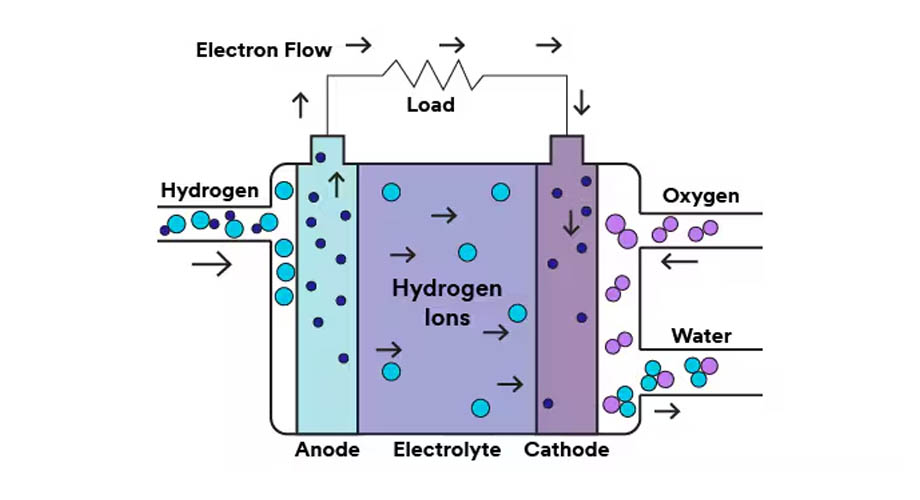
Electrochemical Sensor Membrane Electrodes play a critical role in electrochemical gas sensing by enabling controlled reactions at the membrane–electrode interface. Through carefully designed ion-conductive membranes and catalyst layers, sensor membrane electrodes facilitate the conversion of chemical interactions into electrical signals, supporting high sensitivity, fast response, and stable long-term signal output, which are essential for accurate and reliable gas detection.
High Sensitivity
Excellent electrochemical activity enables rapid oxidation of CO and H₂, ensuring fast response and high signal resolution.
Proprietary Catalyst System
Employs Pt, Pt/C, and Pt–Ru/C catalysts, independently developed to provide stable output and long-term durability.
Reliable & Selective Performance
Offers strong repeatability, high accuracy, and high resistance to interference from other gases.
Wide Operating Range
Self-humidifying design supports stable operation across 10%–100% relative humidity.
Configurable Electrode Types
Available in hydrophilic, anhydrous, and acidic types to meet different sensor requirements.
Typical Applications
Carbon monoxide (CO) sensors
Hydrogen (H₂) sensors
Industrial safety and gas monitoring devices